
ChatGPT Wallet: how it works, and why Pro users in the US only
ChatGPT Wallet lets OpenAI's dots agents buy things with a tokenized card after you approve each purchase with Face ID. It's US-only, Pro-only for now.
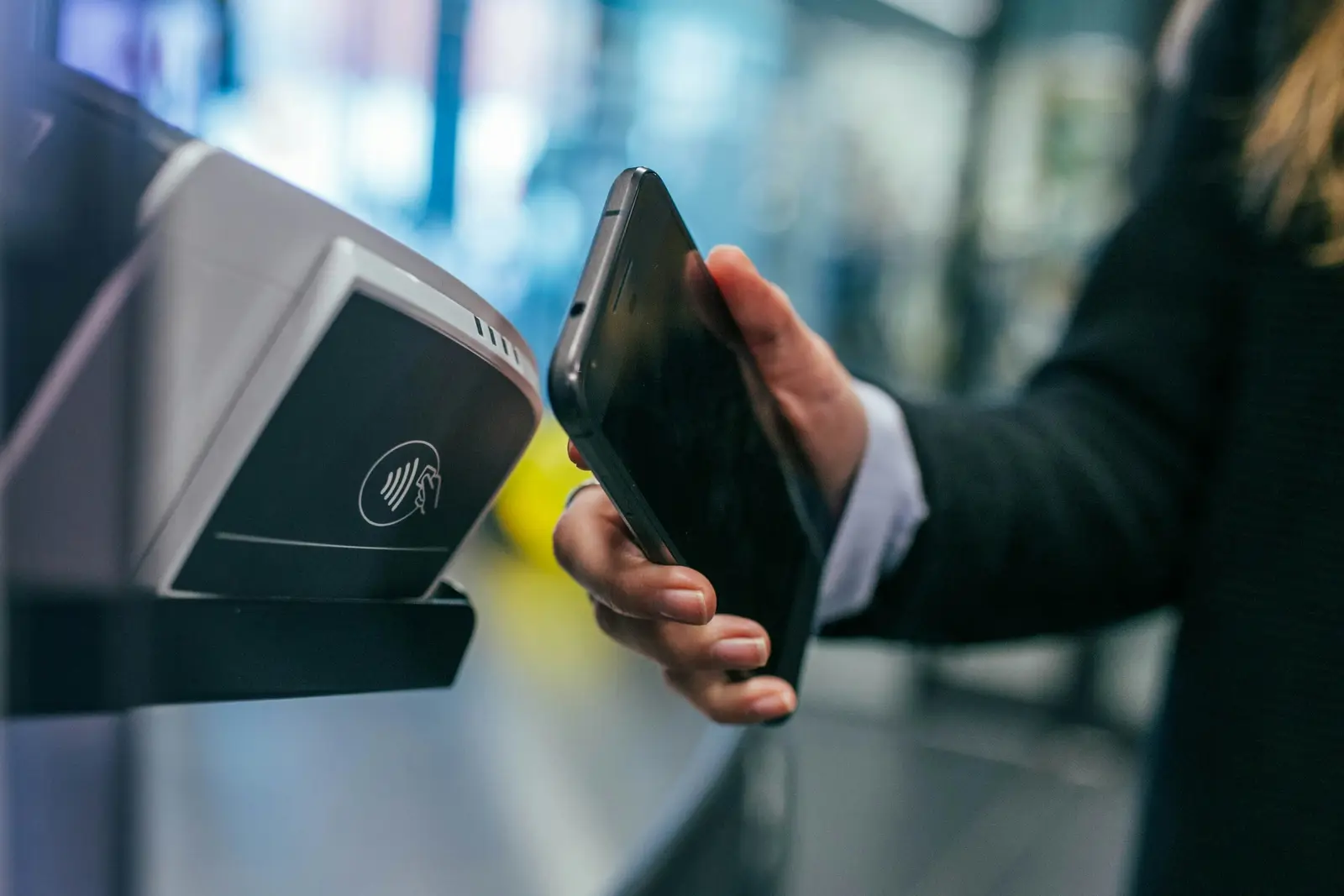
The obvious question about an AI agent buying things for you is what it gets to touch. In ChatGPT Wallet, the answer is a substitute card number with its own security code and expiry date, generated by the card network after you approve a specific purchase. OpenAI built it with American Express, Chase, Mastercard and Visa.
What happens between "buy this" and the money leaving
- You add an eligible card to the wallet once. It has to be issued in the US.
- Your agent, running as a dots assistant, finds the item on a normal retail site and goes to checkout.
- Before anything is charged, you see the items, the total and which card is selected.
- You approve with a security check such as Face ID or a fingerprint scan. That approval is recorded as the purchase you authorised.
- The card network returns a payment token: a card number, security code and expiry that stand in for your real details.
- The agent submits the token through the merchant's existing checkout form.
That last step is the part businesses care about. There's no plugin to install. A store that already takes Visa or Mastercard can accept the token as it would any other card, provided its payment and risk systems don't flag an agent as fraud and its site doesn't block automated browsing.
Why the card network does the work
OpenAI's pitch is that a tokenised payment preserves the cardholder protections you already have. Because the charge runs on your existing card through the network, OpenAI says eligible disputes and card rewards still apply. Whether that holds up in a messy case, say an agent buying the wrong size, is a question for your card issuer rather than for OpenAI.
Mastercard's global head of digital commercialisation, Sherri Haymond, framed the design choice this way in the announcement: "An agent making a purchase should strengthen, not bypass, the trust built into payments." The mandatory approval step is where that promise either holds or doesn't. Right now every single purchase requires it.
ChatGPT Wallet vs Instant Checkout
OpenAI shipped Instant Checkout with Stripe in September 2025, which let people buy from merchants that had signed up, inside ChatGPT. That model needs each business to build an integration. Wallet is the other direction: the agent walks through an ordinary storefront and fills in an ordinary checkout form, so any site that accepts cards is potentially in scope.
The trade-off is reliability. Instant Checkout only works where merchants opted in, but it works predictably. Wallet depends on the open web behaving itself, which is why OpenAI says it is starting small to learn from real purchases and to work with banks and networks on compatibility.
Who can actually use it today
The list is short. You need a ChatGPT Pro subscription, you need to be in the United States, you need to be 18 or older, and the card has to be US-issued. It works inside dots, OpenAI's always-on assistants, and not in an ordinary ChatGPT chat window. Decrypt reported that the wallet launched on a Friday, and that it holds no cryptocurrency and no stored cash balance.
That's a deliberate contrast with the other camp. Coinbase and Circle have been pushing stablecoin payments so agents can pay for services with little or no human in the loop. Wallet goes the opposite way: fiat rails, your existing rewards, and a human thumbprint on every transaction.
The limit nobody should skim past
Approval on every purchase means Wallet doesn't solve the thing agent commerce is supposed to solve. If you still have to look at the cart and authenticate, you've saved the typing, not the decision. For a repeat grocery order that's a genuine saving. For a $4 coffee it's more friction than paying yourself.
The other thing to watch is data. Tokens reduce what merchants see, but your dots assistant still handles your shopping intent, and OpenAI's account-level data settings govern what's retained and used for training. If you'd rather an agent didn't know your purchase history, this isn't the setup for you yet. Check those settings before you add a card, not after.
If you run an online store
Two things break agent purchases: bot protection that blocks automated browsing, and fraud rules that treat a tokenised card from an unfamiliar client as suspicious. OpenAI says it is publishing tools and guidance for businesses on both. Until your payment provider confirms it accepts agent-initiated tokens cleanly, expect some declined checkouts.
7 / 10
$200
Best for US ChatGPT Pro subscribers who want an agent to handle repeat online purchases without handing over their card number
Pros
- The merchant and the agent never see your real card details
- Every purchase needs Face ID or a fingerprint, with a recorded approval
- Runs through existing card networks, so eligible rewards and dispute protections carry over
- No integration needed for stores that already take cards
Cons
- US only, ChatGPT Pro only, 18+, US-issued cards, and only inside dots
- Manual approval on every purchase removes most of the convenience
- Depends on merchant sites not blocking agents or flagging tokens as fraud
- Pricing and availability are early and could change
A sensible design for the trust problem in agent payments, shipped small on purpose. The card-token approach is the right call; the per-purchase approval makes it useful for repeat orders and little else until OpenAI loosens it.
FAQ
- Does ChatGPT Wallet store my card number?
- You add the card once, but the agent and the merchant receive a payment token with a substitute number, security code and expiry instead of your real details. The charge still lands on your selected card.
- Do I have to approve every purchase?
- Yes. You review the items, total and card, then approve with a security check such as Face ID or a fingerprint. Each approval creates a record of the purchase you authorised the agent to make.
- Is ChatGPT Wallet available outside the US?
- No. The initial rollout covers US ChatGPT Pro subscribers aged 18 or older using eligible US-issued cards. OpenAI says it is starting limited to learn from real-world use before widening it.
- Can I use ChatGPT Wallet in a normal ChatGPT chat?
- No. It works inside dots conversations, OpenAI's always-on assistants, which can browse sites and complete tasks. Ordinary ChatGPT chats don't have it.
- Does ChatGPT Wallet hold crypto or a cash balance?
- No. It is a card-based wallet with no cryptocurrency and no stored balance. Stablecoin agent payments from Coinbase and Circle are a separate approach.
- Do I keep my credit card rewards?
- OpenAI says eligible card rewards and dispute protections are preserved because the payment runs on your existing card through the network. For a specific dispute, ask your card issuer.
Sources
More tools worth a look

Loop transformers explained: Z.ai's 750B model runs 28 layers twice
A loop transformer runs a block of its layers twice instead of adding parameters. Z.ai's GLM-5.4 is the biggest public example, and the claim behind it is unverified.

OpenAI's latest ChatGPT announcements: Dots reach $20 Plus
OpenAI spent November widening access: Dots agents are being tested on the $20 Plus plan, ads run in 89 countries on Free and Go only, and 50,000 more free Plus seats go to researchers.

Is Astra for Law worth it? What 53.8% on Vals AI really means
OpenAI's Astra for Law beats base GPT-6.2 Astra on Harvey's agent benchmark, but access runs through the Trusted Access Program and no price is published.