
CrowdStrike outage: one faulty file crashed 8.5 million PCs
A malformed update to CrowdStrike's Falcon sensor blue-screened 8.5 million Windows machines on July 19, 2024. What CrowdStrike shipped, why only Windows crashed, and why cleanup took days.
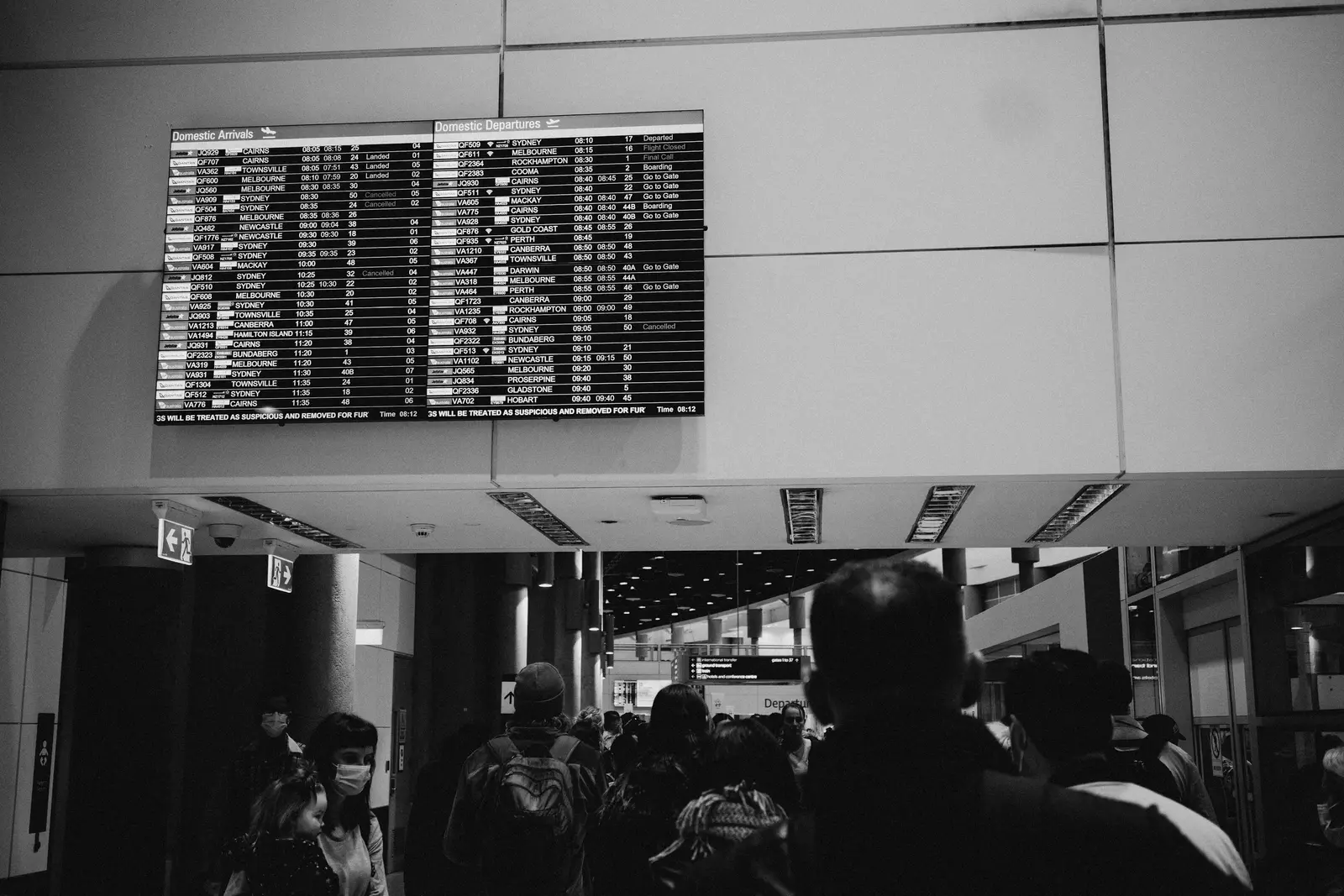
The file was channel file 291, a Rapid Response Content update, and it arrived through the same automated pipeline CrowdStrike uses several times a day. The sensor read past the end of a data structure while parsing it. Part of Falcon runs in the Windows kernel, so the mistake took the operating system down with it.
What CrowdStrike actually pushed
Falcon is endpoint detection software. To see what a process is about to do, part of the sensor sits in the Windows kernel, the privileged core of the operating system. That design is why the product catches behaviour that signature-based antivirus misses. It's also why a parsing error inside the sensor kills the whole machine instead of just the security agent.
Full sensor upgrades are a scheduled, tested release. Rapid Response Content is different. These are small rule files that tell the sensor what new attacker behaviour to look for, and CrowdStrike ships them constantly, sometimes more than once a day. Customers treat them as low risk because that's how they had behaved. Channel file 291 carried new detection logic for a technique the company was tracking. A defect in the content validator let a malformed entry through review, and the sensor's interpreter didn't check the bounds of the array it was reading.
Why only Windows machines went down
The Mac and Linux sensors handle content differently and did not choke on the same file, so those fleets kept running through the morning. The blast radius was set by which operating system you were on, not by which industry you were in. Windows machines without Falcon installed were also fine, which is why the outage looked random from the outside: two laptops on the same desk, one dead.
How much went down with it
Microsoft put the number at 8.5 million Windows devices, which is under 1% of the installed base. The percentage is the part that misleads. Those machines were concentrated in places that can't easily fall back to paper: airline crew scheduling, hospital records, pharmacy dispensing, bank branches, payment terminals, dispatch consoles and station departure boards.
Delta Air Lines cancelled around 7,000 flights over the days that followed, largely because its crew tracking and scheduling systems needed manual rebuilding. Hospitals in several countries postponed procedures. Most of the lasting damage happened during recovery rather than at the moment of the crash. Delta and CrowdStrike spent months in litigation over who should carry the cost.
Why the fix took days instead of hours
The repair itself is short. Boot the machine into Safe Mode or the Windows Recovery Environment, delete the file matching C-00000291*.sys, reboot, and let the corrected content download. On one laptop that's fifteen minutes of work.
At 8.5 million machines, most of them nowhere near the person responsible for them, it becomes a logistics problem. BitLocker-encrypted drives ask for a recovery key before they will boot into recovery, and plenty of organisations found that their key escrow had gaps. Remote and branch machines had nobody nearby to hold down a key at startup. CrowdStrike pulled the faulty file within about an hour of the first reports, which only helped machines that hadn't crashed yet. A device stuck in a boot loop can't download a correction.
CrowdStrike's published remediation steps also changed more than once in the first day as the company worked out which recovery path held up. Every revision cost IT teams hours they had already spent.
What CrowdStrike changed afterwards
CrowdStrike's root cause analysis, published on August 6, 2024, named two failures. The content validator had a bug that let the bad data through, and the update went to every customer simultaneously instead of in stages. Neither failure required a clever attacker, which is the uncomfortable part for anyone who bought endpoint detection to stop clever attackers.
The company has since added staged rollout for Rapid Response Content, given customers control over when content updates apply, and added runtime bounds checks in the sensor's content interpreter. The structural risk stays where it was. A kernel-level agent has to receive frequent updates to be worth paying for, and frequent updates mean a bad one can reach every machine you own before anyone notices.
What I'd check before renewing
If your organisation runs Falcon, the renewal decision is less interesting than four operational questions. None of them cost anything to answer.
- Where the BitLocker recovery keys are stored, and whether you can reach that store when every laptop is in a boot loop.
- Whether content updates apply automatically or inside a window you choose.
- Who physically walks to a machine that won't boot, in each office and for each remote worker.
- Whether a full reimage is faster than a manual file delete at your fleet size.
The bigger pattern worth noticing
The Vergecast covered a run of unrelated failures in the same stretch: a dayslong Outlook outage, a nationwide ground stop, bank apps that appeared to stop working, and an iCloud outage. Individually, as the hosts argued, each was milder than the conspiracy theories made it sound. Together they show how much of daily life routes through a handful of vendors, and how few people see the dependency until it fails. Their other point lands directly on July 2024: with more automation and fewer staff who understand the plumbing, unfamiliar failures arrive faster than the fixes do.
7 / 10
$9
Best for IT teams that want kernel-level endpoint detection and have a tested plan for recovering a whole fleet at once
Pros
- Detection runs in the kernel, so it sees process behaviour that signature antivirus misses
- Content updates reach customers within hours of new attacker techniques
- Customers can now choose when Rapid Response Content applies
Cons
- A single bad content file can blue-screen every Windows machine you own, as July 2024 showed
- Enterprise pricing is quoted per endpoint and not published
- Recovery from a kernel crash needs physical or remote hands on every device
Falcon still does the job it was bought for, and the delivery process that failed has changed since. The question to answer before you renew is a staffing one: when 500 laptops are in a boot loop, who walks to them?
Frequently asked questions
- What caused the CrowdStrike outage?
- A malformed Rapid Response Content update to the Falcon sensor, channel file 291, released on July 19, 2024. The sensor read past the end of an array while parsing it and Windows crashed in kernel mode. CrowdStrike's content validator failed to catch the defect before release.
- Was the CrowdStrike outage a cyberattack?
- No. CrowdStrike found no evidence of a breach and no customer data was taken. The file came from the company's own signed delivery system, which is why it spread so quickly: every Falcon-protected Windows machine was configured to trust it.
- How many devices did the CrowdStrike outage affect?
- Microsoft estimated 8.5 million Windows devices, under 1% of all Windows machines. The visible damage landed on airlines, hospitals, banks, retailers and government services that happened to run Falcon on Windows.
- How long did it take to recover?
- Most organisations were running again within days, and some took a week or more. Physical access and BitLocker recovery keys were the bottleneck. Deleting one file and rebooting fixes a machine, but only for someone standing in front of it.
- Can the same kind of outage happen again?
- Yes. Any security agent that runs in the kernel and takes frequent updates carries this risk, and CrowdStrike is not the only vendor in that position. Staged rollouts and recovery-key hygiene shrink the blast radius. They don't remove it.
- Should businesses drop CrowdStrike over this?
- I wouldn't, on this alone. Switching endpoint vendors takes most of a year and the replacement sits in the same kernel. Check your key escrow and rehearse a mass recovery first. Those two things decide how bad the next one gets.
Sources
More tools worth a look

AI scores 84.5% on drug chemistry and still misses the pick
AI can reconstruct molecules and explain experimental evidence well. Choosing which compound to make next, and predicting its properties, is still where models fall down.

Is ChatGPT Enterprise worth it at $1 for 2 million federal staff?
Two Japanese financial firms ran ChatGPT Enterprise pilots and published the ROI: 954% and 203%. What those numbers measure, what they leave out, and who should skip the upgrade.

AI in universities: what students get and what it costs
Universities use AI for lesson planning, student support, assessment rules and admin, mostly through ChatGPT Edu licences. Surveys put weekly student use at 81% and pricing stays unpublished.